

Faith manages: spirituality, science fiction, and pandemic ponderings
I have thought about many futuristic stories from my reading and watching science fiction, and the maxim “faith manages” (from the 1990s television show Babylon 5) might just be the thing that has got me through the pandemic to date.

Coming full circle: Restoring balance and harmony in the Native American home
Without the full participation of women in decision making and policy making, there exists no balance, which is needed to maintain a healthy existence. This is the Creator’s natural law. When men take away women’s rights to participate in the decision making within the home, the balance of that home is no longer equal, and both natural law and the sacred circle are broken. Chaos in the home is usually the outcome.
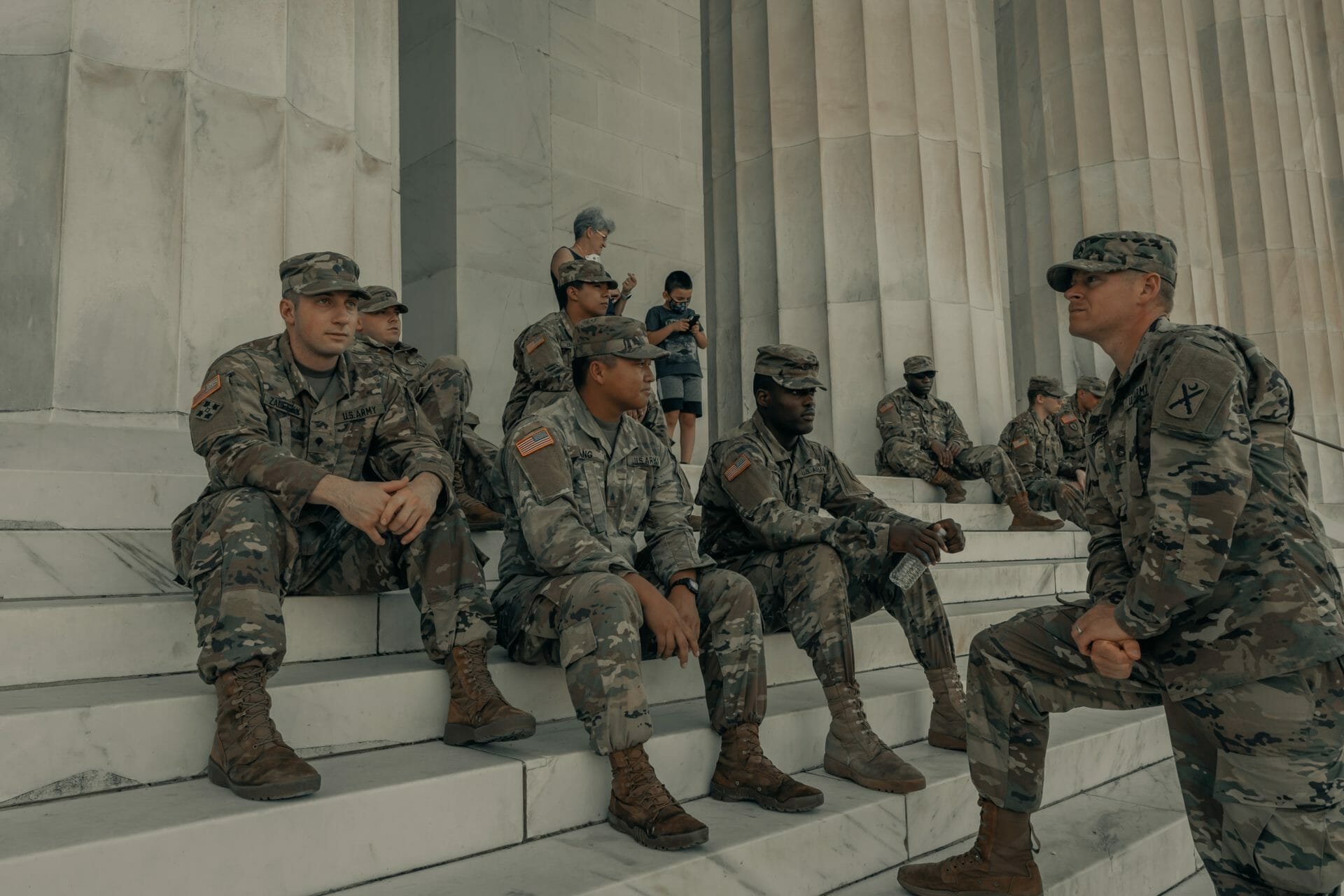
What can we do for our troops?
Provide a safe place to talk. Don’t be afraid to inquire and to ask them to share, but do so on their terms. Incorporate them in your ministry to give them a reference that will help them to concretely see what it means to be part of a loving community. The experience of combat often generates a real sense of belonging and intimacy rarely felt elsewhere, but a loving church with an incarnate message of hope can fit the bill. Nurture them back to the land of the recovering, for we are all recovering in the hands of the Great Healer.

How I landed in Facebook jail—A cautionary tale for churches that rely too much on social media
For months now I’ve been preaching to church leaders about the importance of building email lists rather than relying on social media platforms to engage people. My own advice has come home to roost, and today I’m sharing about my experience so you might not tread down the same path and end up in… (cue the dramatic music) Facebook jail.

The theological mandate for intercultural ministry
Intercultural ministry calls us to perspective transformation, which entails learning to see in each new cultural context opening up to us values and symbols of culture, interaction with and internalization of the stranger, as with Peter and Cornelius (Acts 10). It is a journey through which we learn to reflect on the ways in which we engage with persons different than ourselves. It is a process by which we also deepen our faith.