
What Juneteenth reveals about power, then and now
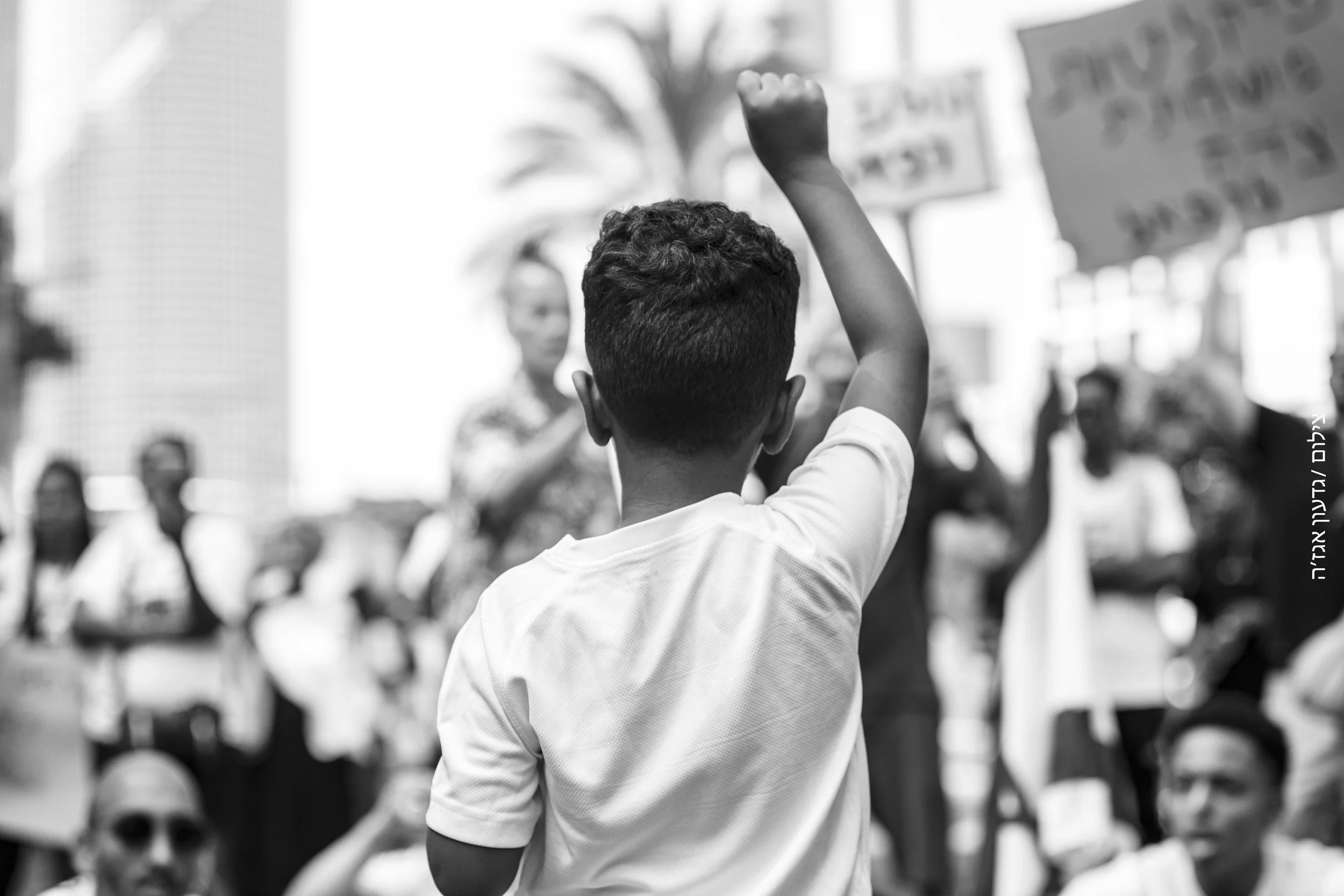
Photograph by Gidon Adaza via Unsplash
Dr. Marvin A. McMickle
The fourth century BCE Greek philosopher and military general, Thucydides once said: “The strong do what they can, and the weak suffer what they must.”
This observation is a combination of wit and wisdom backed up by one who also had the power to make things happen according to his own will. People who possess power over others do whatever they want within that power arrangement. People without power are subject to the whims of others and left to accept the things being done to them by the powerful around them — unless and until they are willing and able to fight back and resist.
Power arrangements help explain why a day like Juneteenth is possible. Juneteenth marks the day, June 19, 1865, when Union army soldiers under the command of Major General Gordon Granger arrived in Galveston, Texas only to discover that the practice of slavery was still in full force throughout that state. To fully grasp the meaning of this day, you must first remember that on January 1, 1863, President Abraham Lincoln issued the Emancipation Proclamation declaring that all slaves living in states that were at that time in rebellion against the Union were now and forever set free. The rule of Thucydides was at work throughout the Civil War. Since the Confederate states had seceded from the Union, they did not recognize the authority of Abraham Lincoln calling for the end of slavery. Thus, they kept their slaves despite what Lincoln had said in his Emancipation Proclamation.
Texas was one of those slaveholding states that was in rebellion against the Union. Texas had seceded from the Union on March 2, 1861, and joined what became the Confederate States of America. The result of ten states seceding from the Union resulted in the Civil War that lasted from 1861 to 1865. After an estimated total death count of over 698,000 soldiers and civilians, the Civil War ended when General Robert E. Lee surrendered the Army of Northern Virginia to Union Army commander, General Ulysses S. Grant on April 9, 1865. The sad aspect of Juneteenth is that slavery had been officially ended by the Emancipation Proclamation in 1863, the Civil War was over in April of 1865, and the Confederacy had been defeated and dissolved. Nevertheless, slaveowners in Texas continued to withhold that news from their enslaved workers until forced to do so on June 19, 1865 or Juneteenth!
Texas was no more or less resistant to the end of slavery than any of the other Confederate states. It was a simple matter of geography. Texas was the westernmost state in the Confederacy, so it was the last state entered by members of the Union army. On the other hand, Galveston is the easternmost city in Texas, so Galveston was the first city in Texas to see the arrival of the Union army. Despite all the sentimentality associated with Lincoln’s proclamation, it was not his words on that document that ended slavery in this country. It was the power and presence of the Union army that moved throughout the breadth and depth of the Confederate states, destroying plantations and informing slaves that they were now free.
People who possess power over others do whatever they want within that power arrangement. People without power are subject to the whims of others and left to accept the things being done to them by the powerful around them — unless and until they are willing and able to fight back and resist.
The years between 1865 and 1877 have been referred to as the Reconstruction era in United States history. During those years three major amendments to the U.S. Constitution were ratified and adopted by two-thirds of Congress and three-fourths of the state legislatures across the country. They included the Thirteenth Amendment (1865) that declared the official end of slavery in the United States, the Fourteenth Amendment (1868) that guaranteed equal protection under the law for all citizens including the formerly enslaved people, and the Fifteenth Amendment (1870) that guaranteed the right to vote for formerly enslaved male citizens.
Attempts to enforce these Amendments and uphold the freedoms and rights they were supposed to guarantee revealed that while the laws concerning slavery had changed, the hearts of those who had seceded from the Union over the issue of slavery had not changed at all. The era of Reconstruction was brought to an abrupt and dramatic halt in 1877 when newly elected U.S. President, Rutherford B. Hayes agreed to remove the federal troops from all the former Confederate states. That returned control of those states to the slaveowners and those who had profited from slavery in one way or another. The first thing that happened was an attack on the voting rights of the formerly enslaved people. While the Fifteenth Amendment could not be torn away from the federal constitution, voting was considered a matter of state and local control, and various devices were used to prevent African Americans from voting such as poll taxes, literacy tests, and the grandfather clause.
Of the 52 African Americans that served statewide in Texas during Reconstruction (1865-1877), none remained in office after 1897. As a result of voter suppression, they were all gradually ousted from their offices. For instance, Walter Moses Burton served in the Texas State Senate from 1874 to 1882. He was not reelected to another term because those who had voted him into that office were no longer permitted to vote at all. No African American would be elected to the state senate in Texas until Barbara Jordan was elected from a district in Houston in 1966. Here was the rule of Thucydides at work again. The strong (white slaveowners and plantation owners) did what they can while the weak (disenfranchised African American voters) suffered what they must.
Juneteenth was declared a state holiday in Texas in 1980 and a federal holiday in 2021. Regrettably, and in both instances, the one-day celebrations were not accompanied by the full restoration of voting rights. African Americans largely could not vote in Texas until the Voting Rights Act of 1965, and even since then, they have faced various forms of voter suppression, most recently congressional redistricting that eliminated at least one of the seats in the U.S. House of Representatives held by an African American. And in 2021, both Texas U.S. Senators voted to make Juneteenth a federal holiday and against the John Lewis Voting Rights Advancement Act that would have safeguarded the voting rights that would benefit Black and Hispanic voters in their state. The strong still do what they can while the weak suffer what they must.
Marvin McMickle is pastor emeritus at Antioch Baptist Church in Cleveland, Ohio, professor emeritus at Ashland Theological Seminary, OH, and retired president of Colgate Rochester Crozer Divinity School in Rochester, NY.
The views expressed are those of the author and not necessarily those of American Baptist Home Mission Societies.
Get early access to the newest stories from Christian Citizen writers, receive contextual stories which support Christian Citizen content from the world’s top publications and join a community sharing the latest in justice, mercy and faith.