
What is pastoral care?
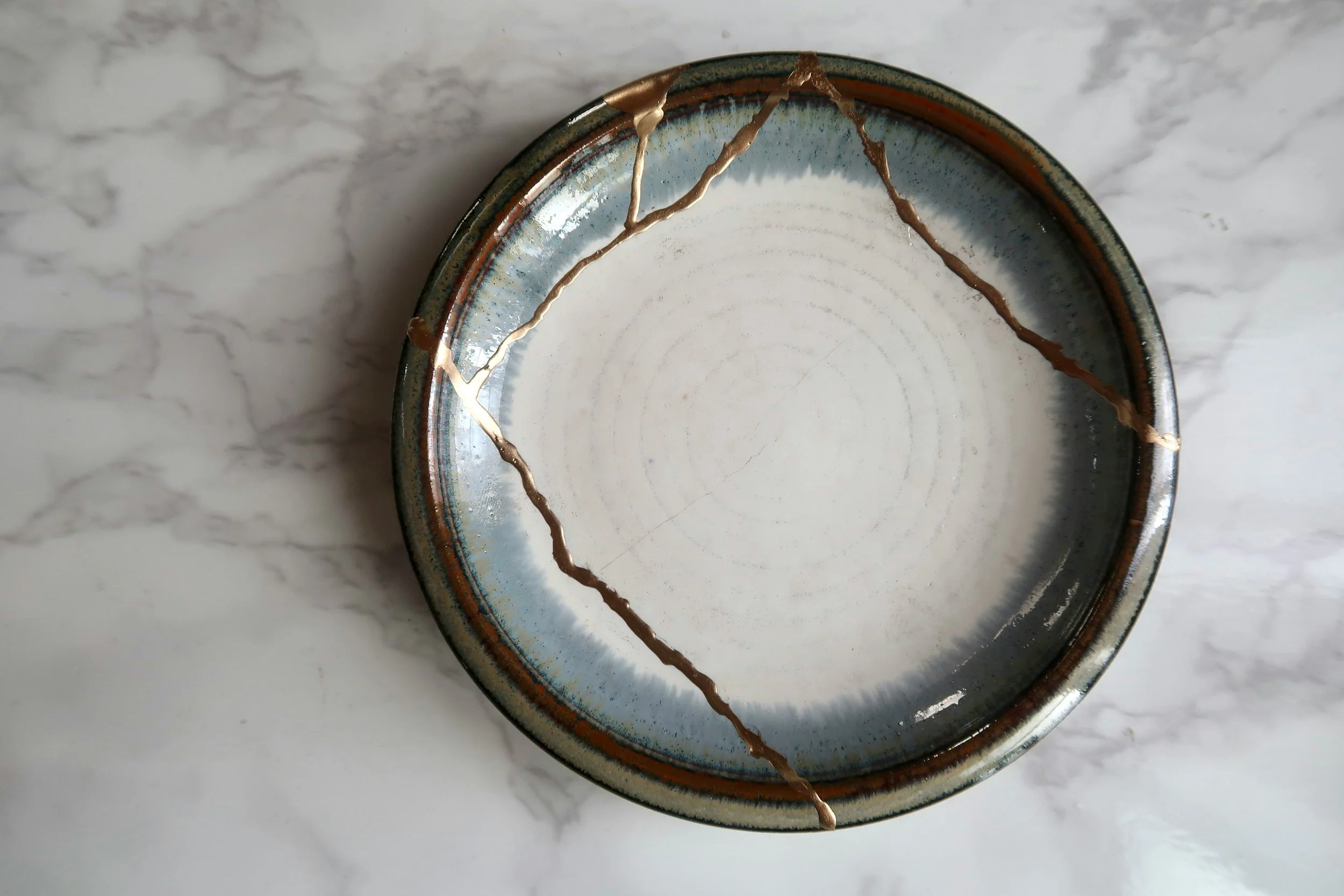
Photograph by Riho Kitagawa via Unsplash
Rev. Clint Schnekloth
I guess the average person knows this, but it’s worth mentioning — a not-insignificant part of the daily and weekly work of a pastor is pastoral care in institutional and home settings. Many clergy as part of their training spend at least one quarter engaged in clinical pastoral education (CPE), a professional, interfaith training program for pastoral and spiritual care.
That program started in the 20th century, inspired by Dr. Richard Cabot, a Boston physician who believed clergy should have clinical experience similar to medical doctors, and Rev. Anton Boisen, a Congregational minister, whose work in psychiatry led him to propose that clergy needed experience with psychiatric treatment and intervention.
It’s been a while since I did my own quarter of CPE, but I remember it vividly. I spent 12 weeks at a hospital in downtown Minneapolis. About half the time was spent in a clinical group essentially workshopping the quality and nature of our presence on the hospital floors as chaplains. We’d spend about 20 hours a week on an assigned floor, visiting and caring for patients, and about 20 hours a week discussing “verbatims,” memos we’d written up after our rounds of the conversations we conducted with patients.
Many personal and psychological insights came out of those conversations. Visiting people in the hospital brings to the surface many aspects of our personality and presence we may not otherwise recognize. It was a life-changing experience, and it really prepared and steadied me for the weekly work of clergy visiting their members in hospitals and care facilities.
In my 25 years of pastoral ministry, I’ve spent a lot of time in institutions and homes. I could give you a tour of most nursing homes here in Fayetteville, Arkansas. I can tell you about the experience people have engaging physical therapy while recovering from surgeries. I can admit to you that I don’t always remember the names of the facilities because they keep getting bought out and renamed by larger and larger conglomerates. I sometimes still call them by the name they had ten years ago.
So what is this pastoral care that we do when we go into an institutional setting like a hospital? Well, where I’ve settled over the years is that it’s approximately three things. First, it’s purely human and relational. My members just want to see me, and I want to see them. Sometimes that will mean sitting in silent contemplation, sometimes that will mean chatting about the weather, sometimes it will mean a deep discussion about literature or faith. For this, I rarely have an agenda and just discover what emerges.
Most of the time, prayer is also desired. In some instances, that’s all that’s needed, because they’ve just come out of surgery and are still tired from the anesthesia, or are simply not feeling well enough for a long visit. Other times, it’s how we wrap up the conversation we’ve had, prayer as a spiritual review of the concerns and joys we’ve named.
A big part of pastoral care is simply showing up, not necessarily with any special expertise or spiritual gravity, but just presence.
Finally, for some I bring communion. This is especially true for a group of homebound members who cannot otherwise access the Eucharist unless someone brings it. For this group, I have small plastic cups with juice and bread that I bring along and open at the appropriate time, together with the Words of Institution and the Lord’s Prayer.
Often, when I go into these settings, I have the chance to interact with the chaplains. Our local hospice has chaplains, as does the hospital. These full-time pastoral care providers do what I do, but as their full-time gig and specifically in that setting. Their work is by nature more interfaith than mine, and is anchored in that institution or building. I am thankful for the partnership with them and always love it when I hear that the chaplain saw one of my people before or after a visit.
This year’s Pastoral Care Week has as its theme “Healing Through Presence and Grace.” On their website, the event’s committee emphasizes that part of the week is honoring the sacred work of chaplains and spiritual care providers, those who walk beside the brokenhearted and offer healing, not by fixing, but by being present.
They compare this role to the Japanese art of Kintsugi, pottery created by artists who turn cracks into art with veins of gold, silver, or platinum lacquer. They write, “Chaplains and spiritual care providers walk tenderly into the places where others have cracked under the weight of grief, illness, and loss. We do not rush to fix but instead sit in the sacred silence of pain, bearing witness.”
Those of you reading this who are family members or fellow church members of those in hospital may recognize your own presence in caring contexts in a similar way. A big part of pastoral care is simply showing up, not necessarily with any special expertise or spiritual gravity, but just presence. It’s remarkable how healing it is to just be there, both for the one visiting and the one receiving a visitor.
When I first started walking rounds at the hospital during CPE, I was so nervous that I almost ran back out of the first room I went into. But I kept doing it, and got better. If you’re reading this and considering whether you can visit friends or family in hospital, it really is one of those things that gets better and more meaningful the more you do it. For those of you considering taking a unit of CPE (many local hospitals offer them, as the start of chaplain training), I wholeheartedly recommend it. It’s life changing.
For all of those reading this who are chaplains, pastoral care and spiritual care providers, I salute you. Thank you for your caring and sacred presence.
Rev. Clint Schnekloth is pastor of Good Shepherd Lutheran Church in Fayetteville, Arkansas, a progressive church in the South. He is the founder of Canopy NWA (a refugee resettlement agency) and Queer Camp, and is the author of “A Guidebook to Progressive Church.” He blogs as Lutheran Confessions at Substack.
The views expressed are those of the author and not necessarily those of American Baptist Home Mission Societies.
Get early access to the newest stories from Christian Citizen writers, receive contextual stories which support Christian Citizen content from the world’s top publications and join a community sharing the latest in justice, mercy and faith.