
Islamophobia is not a Muslim problem. It is a shared one.
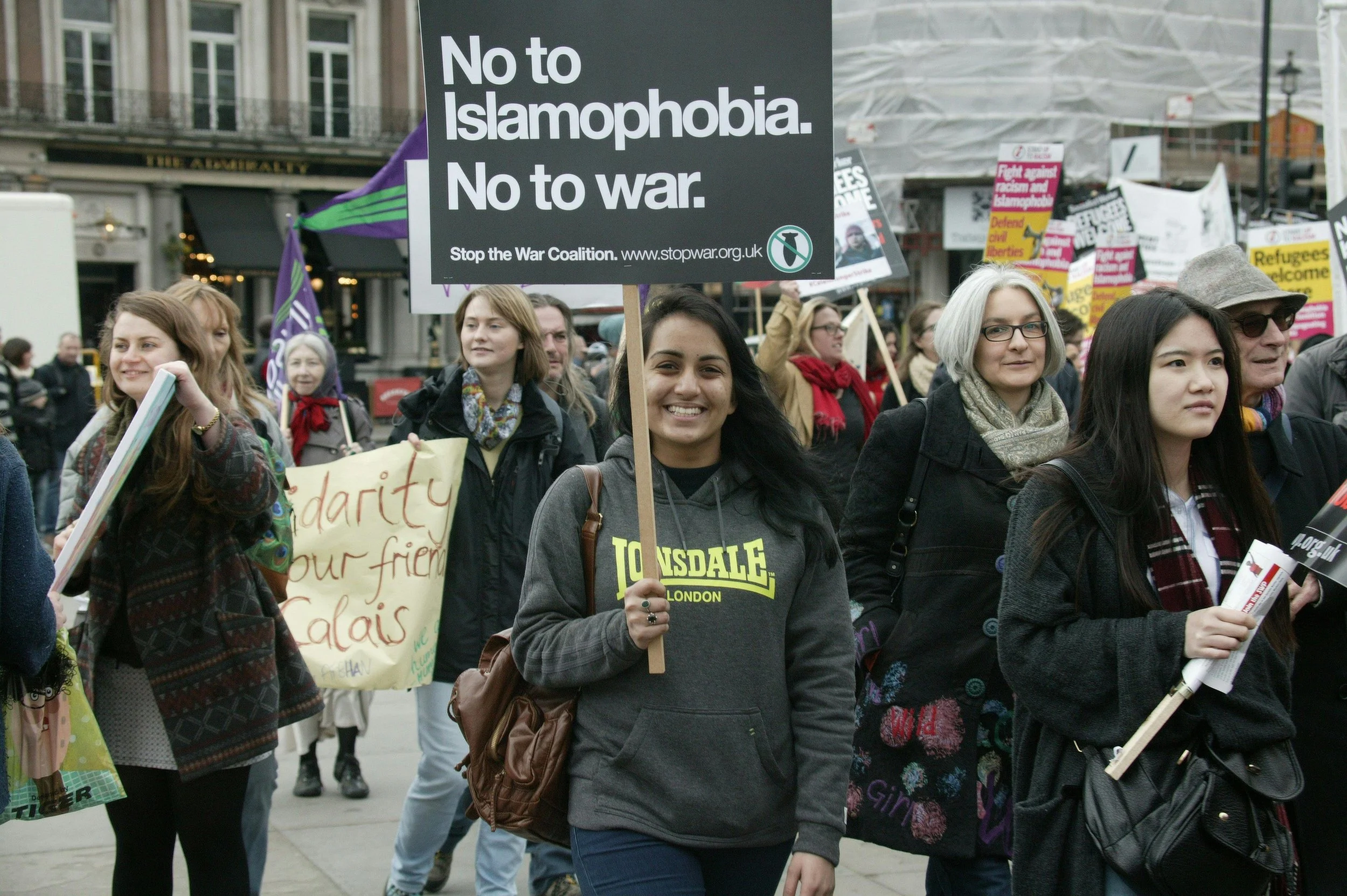
Photograph by Knelstrom Ltd. via Pexels
Suleiman Adan
Most days, my work begins with a phone call I wish I didn’t have to answer.
Sometimes it’s a family asking why a loved one hasn’t come home. Sometimes it’s an elder unsure whether it’s safe to attend prayer. Sometimes it’s a parent asking how much of the news their child needs to hear. I serve Minnesota through CAIR-Minnesota, and over time I’ve learned that fear rarely announces itself loudly. It shows up quietly, in questions people never thought they would have to ask.
Minnesota is the only home I know. It is where I am raising my Minnesota-born daughter and my family. It is where my sense of belonging has been shaped, tested, and affirmed by community. When Muslims in this state are targeted, it doesn’t feel like a political issue. It feels like a rupture in the place I love.
Somali Minnesotans are woven into the fabric of this state. We are as Minnesotan as the State Fair, as tater tot hotdish, as long winters and the brief summers we wait for all year. Our children are born here. Our elders vote here. Our labor, care, and presence sustain this place. When Muslims are treated as permanent outsiders, it is not because we do not belong. It is because belonging is being selectively denied.
At CAIR-Minnesota, faith shows up in detention waiting rooms and living rooms. It shows up when a mosque is vandalized and no one knows whether to reopen the doors the next day. It shows up when families are trying to decide whether staying visible is worth the risk. That kind of work teaches you quickly that justice is not theoretical. It is relational. It depends on who shows up and who doesn’t.
Over time, I learned that accompaniment is not charity. It is responsibility. And that silence, especially from institutions with moral influence, shapes the environment just as much as words do.
My studies at Chicago Theological Seminary gave language to what I was already living. CTS helped me name the distance between belief and action, and the ways religious institutions can either narrow or widen that gap. It taught me to take seriously the idea that faith traditions are accountable not only for what they proclaim, but for what they allow to pass unchallenged.
That accountability matters now.
Islamophobia is often framed as something Muslims must endure or explain away. In reality, it is a test of how we choose to live together when fear presses in and belonging feels fragile. The answer will not be found in rhetoric alone, but in relationships, courage, and care.
When political leaders use Muslims as rhetorical targets, those words do not stay on screens or podiums. They travel. They land in classrooms, airports, workplaces, and neighborhoods. In Minnesota, the impact is immediate. Families pull back. Mosques add security. Community organizations prepare for a rise in fear that rarely makes headlines.
Often, what we notice most is not what is said, but what isn’t.
I have been in rooms where concern was expressed quietly and sincerely, but never publicly. I have received private messages of solidarity that never turned into presence. Over time, you begin to feel the weight of absence as clearly as hostility. Especially now, after the senseless violence in Bondi, many of us are carrying grief that doesn’t fit neatly into headlines.
Our Jewish brothers and sisters deserve to gather, celebrate, laugh, and love without living under constant fear. Muslim families deserve the same. So do all communities who have learned to scan rooms, measure exits and brace themselves before joy. When violence erupts anywhere, it has a way of reaching into our neighborhoods and reshaping how safe ordinary life feels. What people do next matters.
And yet, I have also seen something else.
I have seen pastors show up without being asked. Congregations that spoke to their own communities first, naming harm honestly. Neighbors who understood that standing alongside Muslims was not an act of generosity, but an expression of shared responsibility. Those moments mattered more than statements ever could.
I am raising my daughter here. One day, she will ask who showed up when it mattered and who stayed quiet. She will remember which neighbors made this place feel like home and which ones kept their distance. So will Minnesota.
Islamophobia is often framed as something Muslims must endure or explain away. In reality, it is a test of how we choose to live together when fear presses in and belonging feels fragile. The answer will not be found in rhetoric alone, but in relationships, courage, and care.
Suleiman Adan is the deputy executive director of the Minnesota Chapter of the Council of American-Islamic Relations.
The views expressed are those of the author and not necessarily those of American Baptist Home Mission Societies.
Get early access to the newest stories from Christian Citizen writers, receive contextual stories which support Christian Citizen content from the world’s top publications and join a community sharing the latest in justice, mercy and faith.