
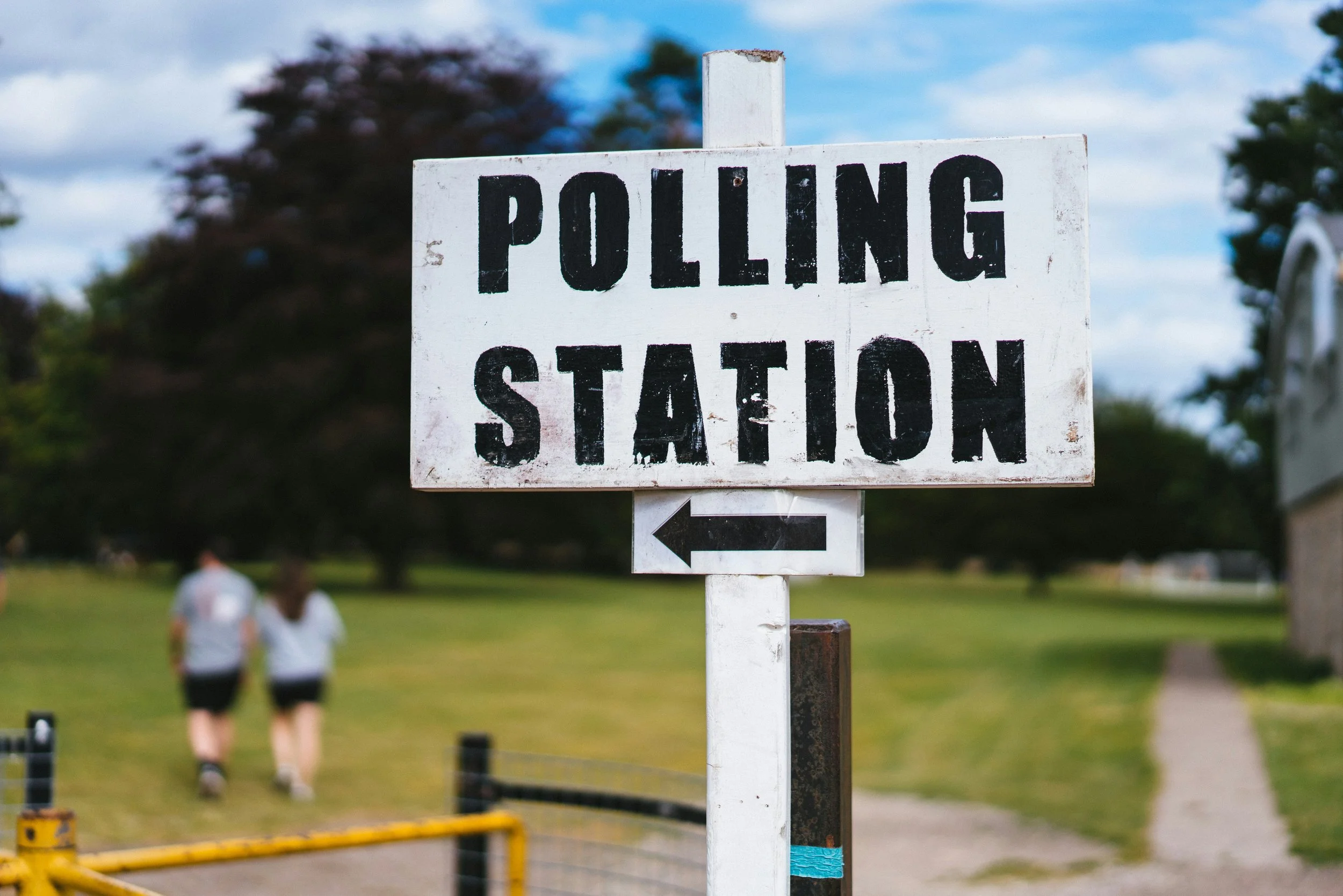
Photograph by Phil Hearing via Unsplash
Joe Harless
I haven’t had much faith in the idea of community service for a while.
Growing up in a Methodist church involved a great deal of community involvement within our congregation, so much so that it sometimes felt like I spent more time at the church than at my home.
Community service was as frequent as communion and choir practice. If an older member had trouble maintaining their yards, we showed up on Saturdays with mowers and hedge trimmers to beat back the encroaching vegetation. Holidays were spent building and distributing gifts to the needy, sometimes with caroling. Summers involved loading shipping containers with donations to other countries, the heat of the day intense enough to threaten dehydration at 9 a.m.
And when I was in high school, we volunteered with a Habit for Humanity fun run organized by our church, driving through the course on sticky September Saturdays before sunrise setting up water tables and place cones to mark the route.
As the years went by, I gradually stepped away from my church and all the community work. By the time I finished college, I had stopped altogether. Even when I got married and joined a new church, I felt no need to engage in my community. I felt drained after so many years, and I wanted time to recover and see what else the world had to offer. I still believed in the idea of community involvement, but I routinely declined to participate, which always left me feeling hypocritical.
That changed when I started working in county government.
Initially seeing the job as just a paycheck gig until something better presented itself, I was amazed at how many of my coworkers actively engaged with the community members that came to our offices. These weren’t the stereotypes of government workers hiding in cubicles until payday; they were competent, passionate, and generally treated everyone with respect. I was routinely left in awe of the care and grace they employed with hostile customers.
But that commitment to the community didn’t stop at 5 p.m. Frequently, my coworkers volunteered their time on weekends to paint houses, work at food banks, and sometimes marched in community parades. And soon enough, I was joining them. It was odd; after years of avoiding community involvement, I had stumbled into a career doing it.
It’s very easy to weaponize faith against a community, pitting one group against another out of fear. But the care and professionalism demonstrated by everyone who entered the polling center that day reminded me of how powerful grace and compassion can be during hard times.
Since then, I’ve found a renewed desire to be involved in my community. My work has included volunteering to clean up beaches and serve as a Den Leader for Cub Scouts. And then, a new opportunity presented itself this year.
I’ve always had faith in elections, even when I disagreed with the results. Candidates and initiatives were defeated, but I never considered those losses to be the result of tampering. In short, I took it for granted that such a complex and important part of our society would function perfectly at all times.
But my attitude changed after 2024, when increased political rhetoric suggested that not only was the integrity of the election process up for debate, but government forces would meddle in the process while insisting they only did so to maintain that integrity. So, when the opportunity to serve as a poll worker presented itself, I jumped at the chance.
Here was an opportunity not only to serve my community, but to prove to myself and anyone in my voting precinct that our faith in free and fair democratic elections would be justified.
I had a great deal of negative expectations for my day working the polls. I imagined a parade of bad actors demanding access to the voting machines while carrying briefcases stuffed with papers that read FAKE VOTES. I expected citizens to stand by the front doors with their phones out, demanding to record video and audio of the voting process. I awaited an angry mob that would bum rush the door and start trying to pry open the vote tabulation box.
None of that happened. Instead, every single voter came with the proper identification, marked their ballot, and deposited the ballot into the tally machine. Questions and concerns were handled by the senior poll workers, and the process ran smoothly throughout the day.
But what surprised me the most was the civility. Granted, this was just the primary election, but none of the threats I feared materialized. It reminded me of how the congregation members of my youth treated each other with care and civility, and it made me realize how much more we had in common.
It’s very easy to weaponize faith against a community, pitting one group against another out of fear. But the care and professionalism demonstrated by everyone who entered the polling center that day reminded me of how powerful grace and compassion can be during hard times. It’s led me to rethink how personal devotions can guide a person through hard times, and it’s made me want to help others going through particularly difficult life challenges. I’ve started to turn back towards faith, and I hope the change will be positive for myself and my community.
Joe Harless is a writer based in Tampa. His most recent work has focused on essays about fatherhood and career changes.
The views expressed are those of the author and not necessarily those of American Baptist Home Mission Societies.
Get early access to the newest stories from Christian Citizen writers, receive contextual stories which support Christian Citizen content from the world’s top publications and join a community sharing the latest in justice, mercy and faith.