
‘Hoppers’: A movie for weary activists
Photograph by Tebogo Sweatz via Unsplash
Rev. Dr. Michael Woolf
The latest Pixar movie, “Hoppers,” has a catchy concept – a new technology allows human beings to “hop” into a robotic animal and communicate with them – but the film is really about activism and what it takes to heal our fractured world. The film centers around Mabel Tanaka, a young woman dealing with not only the loss of her grandmother, but the loss of a beautiful woodland glade that she and her grandmother loved. The town mayor, Jerry, has used underhanded tactics to get a highway approved that runs right through the forest that she holds dear.
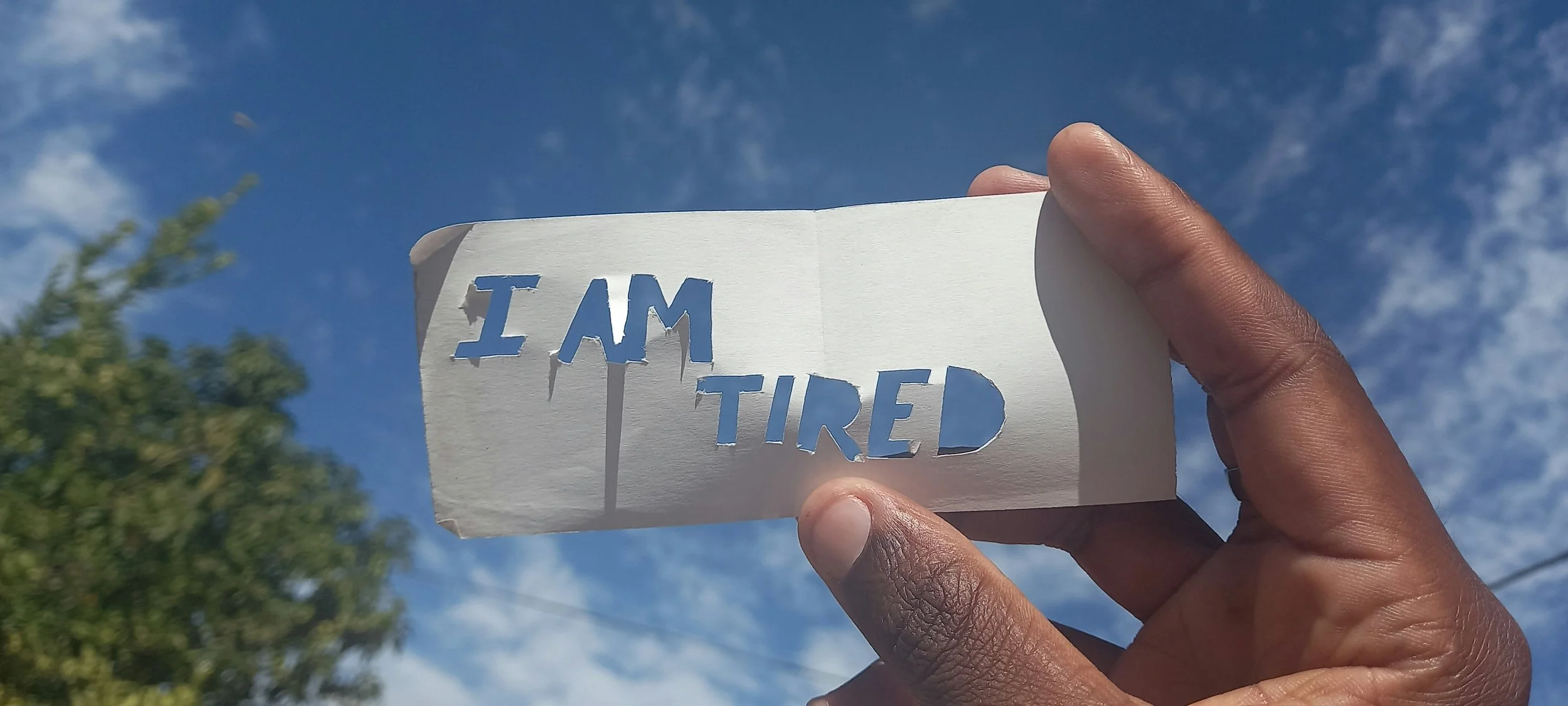
At one point in the movie, Mabel exclaims that she is “so tired of feeling this way.” What follows is a lament from the heart that she feels alone in caring about her effort to protect the glade, and she cannot understand why no one seems to care. I think we’ve all been there before, especially those of us who engage in social activism. I know I have.
It’s easy to feel defeated in a world where most people are solely focused on their immediate needs. I think that’s intentional – our capitalist system makes it hard to have the time to think and care, and our politicians are consistently sending messages that caring about others is weakness.
Hoppers offers a picture of what it would look like to find community. Over the course of the film, Mabel organizes a ragtag group of animals and humans to oppose the construction of the freeway and even ends up saving the glade that she shared with her grandmother. She doesn’t do that by holding grudges, and even ends up teaming up with the mayor to make that happen.
Now, this is a kids’ movie, so I can understand that message and why it’s important. I do have a few questions, though. Jerry, the mayor, consistently broke the law in the pursuit of getting his freeway built, lying to the state about the presence of animals and using illegal methods to drive them out. At the end of the film, no one faces any accountability, and Jerry can continue his life as normal.
The message of Pixar’s “Hoppers” is that we need each other, even those who were once our enemies.
We can ill afford to protest the conversion of the Sauls in our midst. In the Bible, we see that Saul becomes Paul and one of the most important leaders in the early Church, but other disciples who were with Jesus are rightly suspicious of him and there are plenty of conflicts recorded in Acts. That story challenges us – could we accept someone in our churches or social movement circles who had been actively trying to work against us?
That’s a challenge to me certainly, because while I welcomed a reformed Jerry in the film, I did wonder if there wasn’t some accountability to be had for his previous actions. Surely, the film could have shown him in trouble with the EPA at least, or perhaps he could lose his election bid.
But maybe that’s just my own very human hangups at work. At the same time, I look out at our country and I wonder whether we will ever have accountability for the crimes against immigrants that are taking place, for the girls’ school that we dropped a bomb on in Iran, killing over 100 children, for the cutting of our social safety net so that billionaires can get richer and we can drop more bombs. Each of these actions demand some form of accountability in my mind. I find myself daydreaming of what an American Nuremberg might look like.
But “Hoppers” doesn’t dwell on such concerns. It simply shows what is like to finally find people who do care about the things we care about. The message of the film is that we need each other, even those who were once our enemies. We cannot do it alone. For weary social activists like me, it gives a bit of hope that we can find our way to compassion as a country again. It suggests that no doors are fully closed, and when we come together, the magic can truly happen. We can save the glade; we can save our country; we can save our souls. But we can only do it together.
Rev. Dr. Michael Woolf is senior minister, Lake Street Church of Evanston, Illinois. He currently serves as the co-associate regional minister with the American Baptist Churches Metro Chicago. His most recent book, co-authored with Anna Piela, Confronting Islamophobia in the Church: Liturgical Tools for Justice (Judson Press 2026) offers a theology of interfaith engagement with Muslims. Woolf is also a co-founder of Challenging Islamophobia Together Chicagoland, an initiative that brings together people of all faiths to counter Islamophobia from a religious perspective.
The views expressed are those of the author and not necessarily those of American Baptist Home Mission Societies.
Get early access to the newest stories from Christian Citizen writers, receive contextual stories which support Christian Citizen content from the world’s top publications and join a community sharing the latest in justice, mercy and faith.