
Antifascist bedtime stories for the whole family
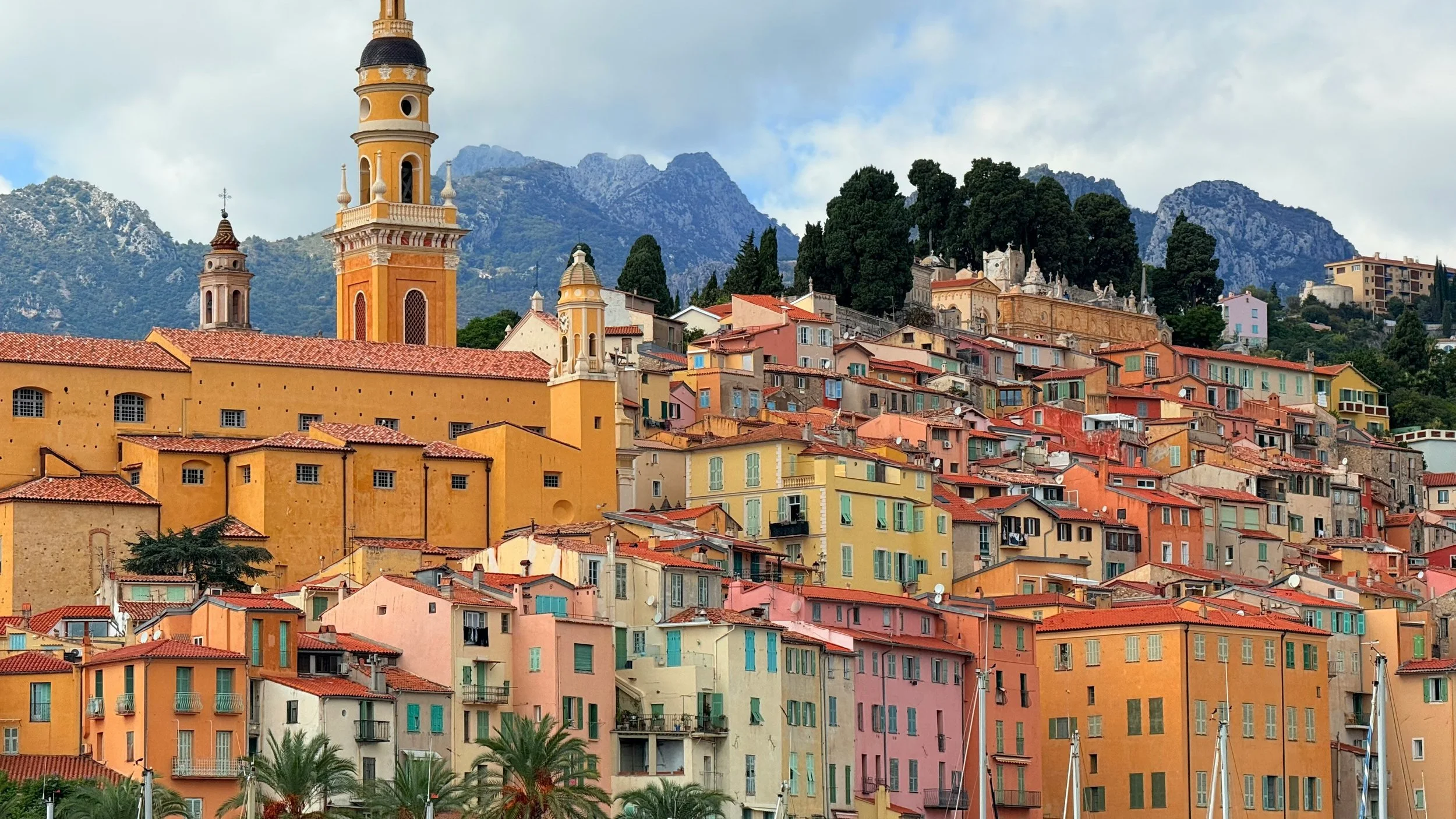
Photograph by Zeynep E via Unsplash
Rev. Dr. Michael Woolf
My family is constantly going through books as we read together a chapter nightly. Many have come and gone, but few have left the impression on me that Kelly Barnhill’s “The Ogress and the Orphans” has. For weeks afterward, I would think of the book constantly – not just because of its well-written prose but because of how clearly and succinctly it communicates its message of acceptance, compassion, and a keen awareness of the ease with which human beings can be led to amplify their most base instincts.
The story takes place in a fictional town called Stone-in-the-Glen, which was until recently a “lovely town” where all roads led to the centrally located library, the trees were lined with fruit trees, and neighbors helped one another. That’s all changed, however, after a dragon burned the library down, and all the other things that made the town lovely disappeared. Now, the townspeople are at each other’s throats.
Our heroes are the orphans, who all live in the town’s orphan house. They have little, but they have the best collection of books in the town, and they have one another. It is up to them to see through the lies of the town’s political leadership, which seeks to blame a kind, loving Ogress living on the edge of town for all their problems.
While the town is set in a fairytale land of the distant past, Barnhill draws our attention to the ways that hate is incubated in the human heart. Perhaps it comes from loss, or fear, or any number of places, but there are forces that are only too adept at cultivating those grievances into political power. Instead of banding together to rebuild the town’s library and school, it is easier to enact vigilante justice against someone who is different from the other residents of the town.
That’s what makes this story a modern-day parable. We, too, are at a crossroads as a country. Plenty of people seem to think the country is not on the right track – 67 percent, according to a recent Ipsos poll. If we are an empire in decline and most of us seem to feel that way, we have choices before us.
Few children’s books have left the impression on me that Kelly Barnhill’s “The Ogress and the Orphans” has. It is a book that gives me hope during this difficult time in our country; hope that we can be the heroes that we need.
We could do the hard and necessary work of rebuilding our pluralistic democracy, of cultivating a new culture of kindness and prosperity where everyone could flourish, or we can blame minoritized groups, be they religious, racial, sexual, gender, or cultural. The latter is not only easy, but it can get you a quick following on social media, where messages spread like wildfire.
Barnhill’s book points out that, while easy, the path of fomenting hate is not only evil but also self-destructive. Fascism inevitably consumes its own supporters and destroys that which it purports to save. Disney’s “Andor” powerfully illuminates this process as it, like Barnhill’s book, seems to take seriously the parallels between its fictional universe and our present moment.
What makes the story of the Ogress special is that it shines a spotlight on our collective agency. We can choose the future that we want, and that future can be magnificent. It will, of course, be hard work, and it will sometimes face opposition that can do real physical harm. The book does not shy away from the ugly parts of this struggle, but it nevertheless forcefully advocates for a world shaped by compassion, goodness, and mercy.
Those are the values that faith is supposed to bring into our world. If we can practice a bit more of those ideals, then a new world can emerge from the old. We can’t ever simply move on from the authoritarianism of this administration and the cruelty of immigration enforcement, but we can forge a new, bright future.
Barnhill’s book gives us the language and the stories to imagine what that future might look like. It is so much more than a children’s book. It is a book that gives me hope during this difficult time in our country; hope that we can be the heroes that we need. Hope that we can make a whole new world out of the ashes of this one.
Rev. Dr. Michael Woolf is senior minister, Lake Street Church of Evanston, Illinois. He currently serves as the co-associate regional minister with the American Baptist Churches Metro Chicago. His most recent book, co-authored with Anna Piela, Confronting Islamophobia in the Church: Liturgical Tools for Justice (Judson Press 2026) offers a theology of interfaith engagement with Muslims. Woolf is also a co-founder of Challenging Islamophobia Together Chicagoland, an initiative that brings together people of all faiths to counter Islamophobia from a religious perspective.
The views expressed are those of the author and not necessarily those of American Baptist Home Mission Societies.
Get early access to the newest stories from Christian Citizen writers, receive contextual stories which support Christian Citizen content from the world’s top publications and join a community sharing the latest in justice, mercy and faith.