
What is required of me? A letter to clergy and congregational leaders
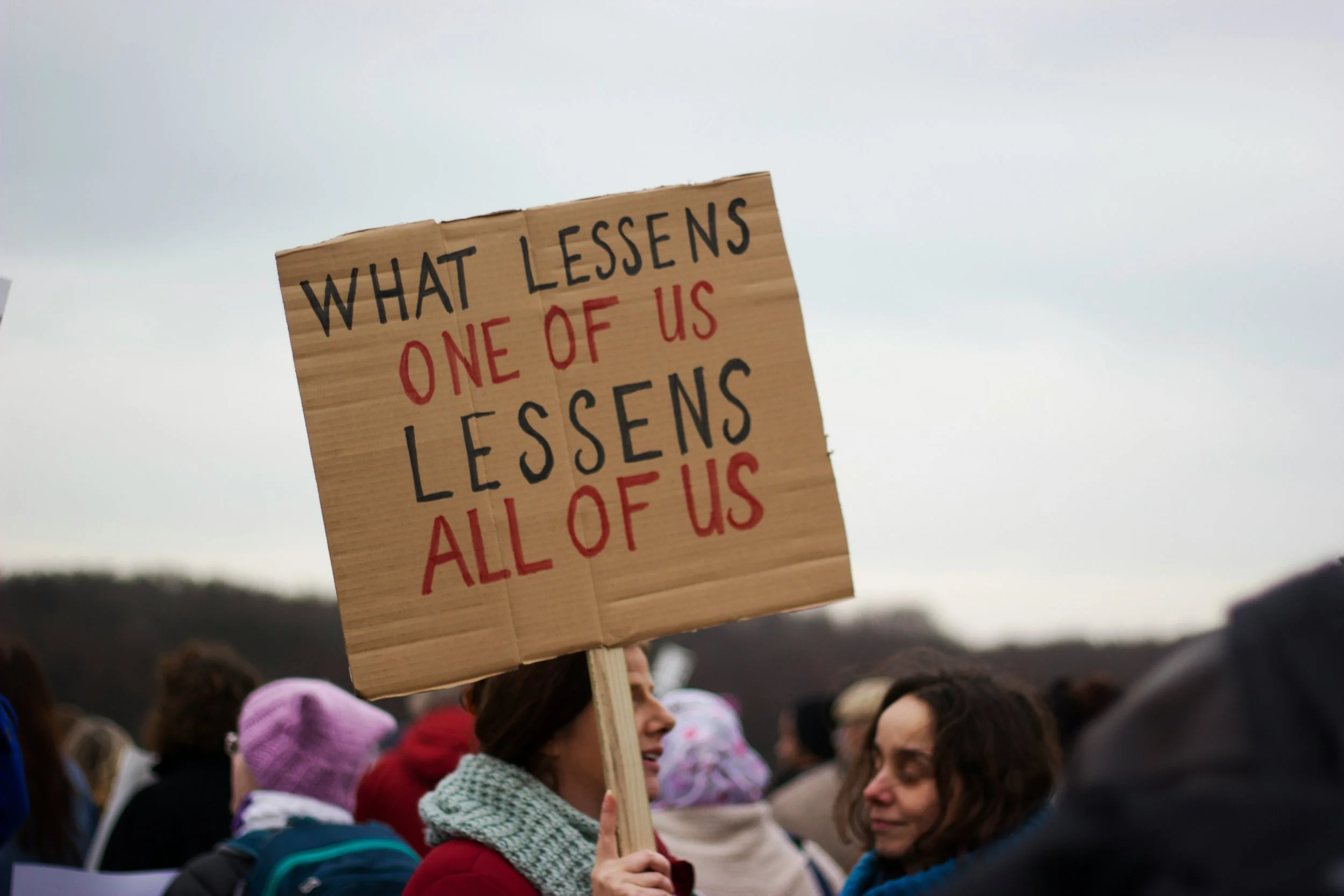
Photograph by Micheile Henderson via Unsplash
Benji Suprice
My fellow clergy and congregational leaders,
I thank God as I think of you, for we represent Christian leadership both in the U.S. and for some of us, globally. I hope you can understand my longings in penning this letter to you.
As a seminarian, I truly believe it is a gift to be on this journey of studying God — not to master the Divine, but to learn more of our shared faith and of God’s outworking in the world around us. These formative years of study will profoundly shape my vocation and call. Few Christians are afforded such an opportunity as even the most comprehensive discipleship programs in local churches rarely offer the intensity of learning, conviction, wonder, questioning, and excitement than these few years provide. I am grateful to the Lord for entrusting us with this time. I am also deeply thankful to my parents, immigrants to the U.S. from Haiti, who sacrificed much so I could pursue theology and a ministerial call.
Recently, one question has been stirring my spirit: How do we use our Christian formation, education, and privilege in this current cultural moment? We see continued attacks on institutions of higher education, the dismantling of key organizations and government agencies, a pronounced desire for violence and international war, sexual exploitation, and a blatant disregard for the rights and dignity of immigrants and those born on this soil. Meanwhile, Bishop William Barber II and the Poor People’s Campaign note that over 140 million people in the United States are poor or low-wage workers. Amid these crises, a distorted quasi-Christianity has arisen which strips God’s call to “do justice, love mercy, and walk humbly with God” (cf. Micah 6:8), and instead pursues political power and wealth as its chief end. Friends, I hope we can agree that God is grieved as Christians have misused the Word of God historically.
If studying the Divine is a gift, and if we are living in a moment when God’s truth, love, justice, kingdom, and grace are being co-opted, then we must speak the truth. We owe it to our congregations, neighbors, our global Christian witness, and personal faith. The Hebrew Bible’s laws held clear protections for the widow, orphan, migrant, and poor. Similarly, the minor prophets — whose message was anything but minor — warned that God rejects worship devoid of justice (cf. Amos 5). Jesus too, embodied this call in his words and actions (cf. Matthew 25 and Luke 4). From time to time, I return to an article from Sojourners listing many of the Bible’s more than two thousand verses on justice, poverty, and compassion. This serves as a reminder that Christianity is more than an intellectual exercise. Rooted in Jesus’ teaching on prayer, we as disciples are to pray and work towards God’s will and kingdom to come on Earth as it is in Heaven (cf. Luke 11:2-4). And let me remind you — there is no poverty, racism, genocide, deceit, cheating, hopelessness, pain, retribution, or injustice in Heaven. In other words, as Easter declares, the powers of sin, evil, and death have been, and will be, utterly defeated. Though we might not see God’s will and kingdom fully until the eschaton, we are not excused from working toward it now.
If studying the Divine is a gift, and if we are living in a moment when God’s truth, love, justice, kingdom, and grace are being co-opted, then we must speak the truth. We owe it to our congregations, neighbors, our global Christian witness, and personal faith.
One way we must respond to this moment is through resistance. Resistance involves practices and decisions which engage our minds, bodies, voices, and communities against forces that lead us away from God. Scripture is filled with peoples called to resist idolatry, cultic practices, Pharaohs and wicked kings, injustice, dehumanization of Samaritans and Gentiles, the enemy, and sin. If resistance was practiced by our spiritual ancestry, then those who follow the Way of Jesus have an obligation to live in a like manner. To be clear, this was never easy for our spiritual ancestors who often found themselves longing for patterns of life that enslaved them. Thus, I understand how challenging resistance might be for us today, especially for congregations and people that have historically manipulated Scripture to resist those made in the Imago Dei rather than resisting the unjust systems and powers of this world.
If Christianity’s witness is that God incarnated, entering humanity to speak truth and bring transformation, then it stands to reason that we too must incarnate our studies. Christianity must not be an escape from the world’s pain; it must be preparation to engage it.
I am not naïve to the reality that resistance is costly. It can impact our mental health, jeopardize our academic standings, limit job opportunities, and in extreme cases lead to death. Jesus, John the Baptist, and the early disciples are reminders that faithful resistance may cost us everything. John’s beheading is a sobering reminder of the potentials when the moral fragmentation of Herod Antipas and his crew are challenged. Resistance is costly, thus, as Jesus reminds His disciples, we must count the cost (cf. Luke 14:28). And yet, there is also a blessing for those who hunger and thirst for righteousness and justice (cf. Matthew 5:6). Blessed are those whose faith is embodied, whose voices are prophetic, and whose public lives match their private devotion.
Finally, we must consider what resistance looks like. Already, I have seen seminarians — both Christian and non-Christian — protesting by using their voices as faith leaders to advocate for justice. Resistance may also take the form of walkouts, a more intentional sharing of cross-institutional strategies, more strategic organizing on the ground within our communities, or open letters reemphasizing our commitment to the way of Jesus rather than the emperor. This list is not exhaustive — nor can it be. Our responses must emerge from our willingness to partner, discern, and learn from one another. If any voice should lead us, let it be the witness of Christ within Scripture. His holy words will point us to a God of liberation, mercy, justice, grace, covenant, wisdom, and all things needed to live into the good, perfect and pleasing will of God (cf. Romans 12:2). In doing so, our personal piety and public theology will remind us and the world around us of the good news that Christ has offered us, on Earth as it is in Heaven. Amen.
Your brother and friend,
Benji
Benji Suprice is an M.Div. candidate at Yale Divinity School.
The views expressed are those of the author and not necessarily those of American Baptist Home Mission Societies.
Get early access to the newest stories from Christian Citizen writers, receive contextual stories which support Christian Citizen content from the world’s top publications and join a community sharing the latest in justice, mercy and faith.