
Seeing, knowing, believing
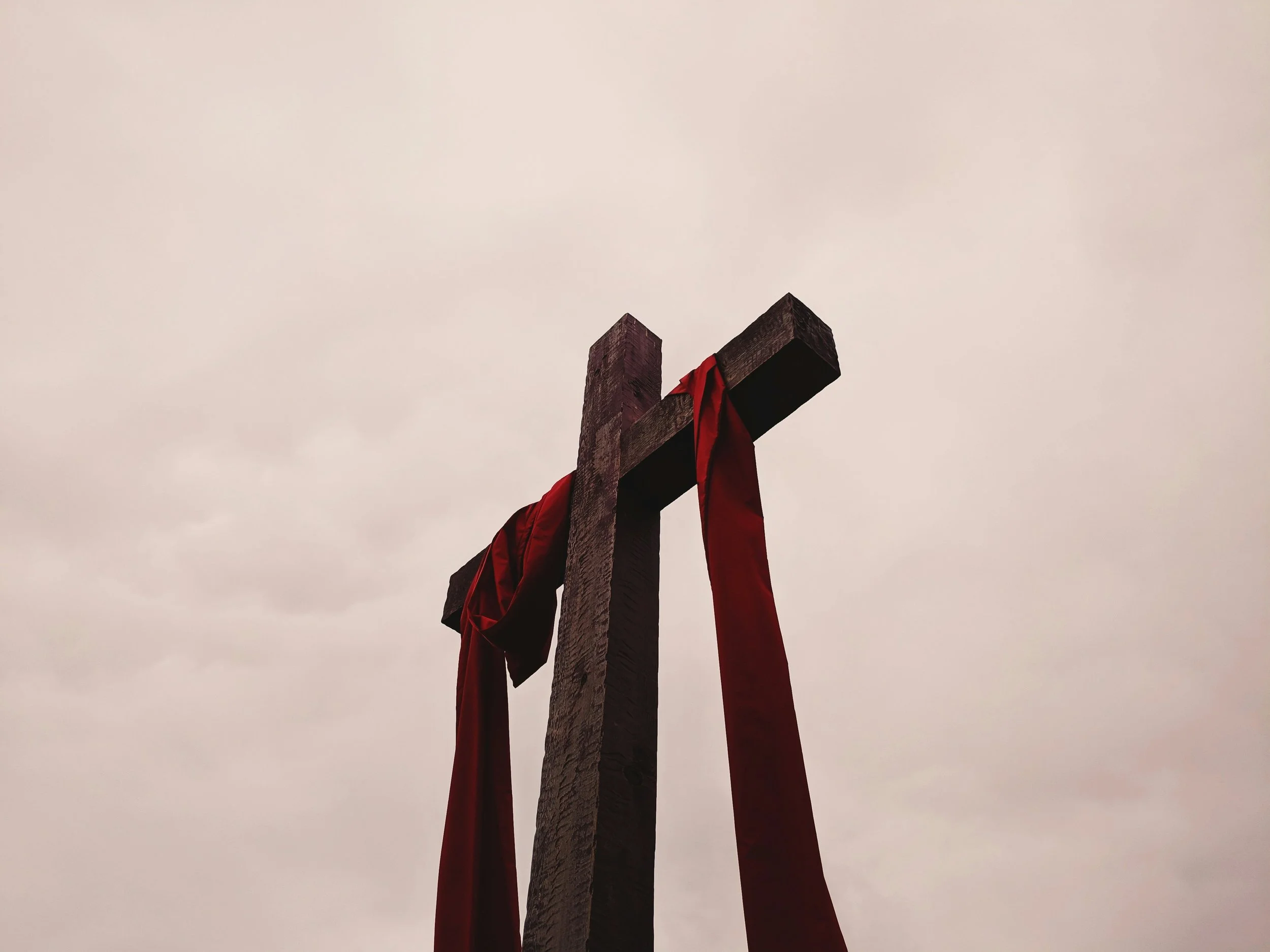
Photograph by Alicia Quan via Unsplash
Rev. Jerrod H. Hugenot
In John 9, we find a group of people trying to puzzle out what happened when Jesus healed a man blind since birth. They cannot believe what they see before them. Even the former blind man’s neighbors and acquaintances cannot believe it. His own parents find it puzzling. And then the religious authorities get involved. The Pharisees join in, dissecting and debating each element of the story. They are incredulous that this healing could happen. Furthermore, did it somehow involve Jesus? What good did he do? They consider it just as unlikely that a known sinner like Jesus could have been involved.
In the middle of the controversy, the man formerly blind since birth is likewise puzzling out what happened to him. As John 9 unfolds, the man is slowly piecing together what happened and why he comes to believe that only Jesus could make this healing possible. Despite the doubts and skepticism of those around him, the man is starting to see what God is doing in the world through this person some will call “prophet” and others call disreputable.
I wonder what it was like as he washed away the mud caked on his eyes. He must have sat at the waters of Siloam just letting his eyes adjust to what he never could have anticipated. It must have been glorious and a bit frightening to encounter in a new way the world he had only known through smells and sounds, textures and tastes.
As the healed man makes his way through the first-century version of a media circus (complete with commentators from the religious right), his own understanding of what happened to him grows in clarity and focus. Perplexed gratitude changes into praise for Jesus, whom he calls a prophet.
As the religious authorities ask rigorous questions, the man does not buckle under their scrutiny and intimidating glare. The Pharisees accuse Jesus of being a sinner and therefore incapable. The healed man will not play along, giving testimony and witnessing gladly to this stranger’s authority and power.
Unfortunately, he finds his belief rewarded with something painfully familiar: being shunned by the authorities and shut out of the community for his unpopular witness. The man healed of blindness is at the margins yet again, victim of exclusivist ways and practices of belief.
When Jesus re-enters the narrative, he seeks out the rejected man, yet again going to the margins with little care for what the majority would think. The gospel of John says,
when [Jesus] found him, he said, “Do you believe in the Son of Man?” [The man] answered, “And who is he, sir? Tell me, so that I may believe in him.” Jesus said to him, “You have seen him, and the one speaking with you is he.”
[The man] said, “Lord, I believe.” And he worshiped him (John 9:35-38).
In this encounter, the man formerly blind since birth is the only person who can see Jesus in his fullness. From knowing Jesus’ name, to calling him prophet, to offering testimony and witness, the man has grown in his understanding and in his belief in Jesus. Just as he adjusts to a new way of experiencing the world, the man can perceive and testify to Jesus’ identity and mission. He is learning the good news of Jesus, the One sent to be the light of the world. He worships Jesus as Lord and Savior, through whom the world, lost in the gloom and shadows, shall find the pathway to salvation.
In this encounter, the man formerly blind since birth is the only person who can see Jesus in his fullness. From knowing Jesus’ name, to calling him prophet, to offering testimony and witness, the man has grown in his understanding and in his belief in Jesus.
If you read closely, you will see a pattern emerging by this point in John’s gospel. Compare this story to John 3 where the pious and learned Nicodemus hears Jesus’ teachings and leaves uncertain of what he has heard. Read John 9 alongside John 4 as the Samaritan woman leaves her place at the well to share a joyous testimony. The gospel of John loves a story filled with irony: a man blind since birth can see what is going on while the religious authorities claim there is nothing to see!
This story began with people questioning whether the man was blind because of his sin or his parents’ sin. Typically, that is the popular working definition of sin: Do bad things, it will go accounted for in God’s reckoning of your life. O sinner, behave!
John’s gospel offers another dimension to the concept. In John 9, we are confronted with the idea of a person’s refusal to believe in what God is doing through Jesus’ teachings and ministry. The religious authorities go to great lengths to scrutinize every part of this story and question every angle. They keep firmly to the story they know. Jesus criticizes their behavior, calling them able to see yet choosing to be as if blind. O sinner, believe!
The Pharisees accuse Jesus of being a sinner. They accuse the man born blind as beyond redemption, ensnared in sin since birth and expendable. In their fear, in their confusion, in their refusal, the Pharisees cannot see the person and ministry of Jesus at work in the world. In their zeal to root out sinners, they have become what they condemn.
At the beginning of the story, Jesus tells his disciples, “We must work the works of him who sent me while it is day; night is coming when no one can work” (John 9:4). The comment foreshadows what will happen to Jesus later in the gospel as he enters Jerusalem and the religious authorities escalate beyond name-calling and skepticism and begin plotting his death. The disciples will find themselves far removed from the simpler times of following Jesus and asking curious questions as they travel the countryside. They will have to ask themselves if they see the fullness of Jesus’ story, especially as he dies and then come the rumors and the tales that death may not have the final word.
This story asks us a question that we must answer as Holy Week and Easter loom on the horizon. It is a question that requires a careful answer.
You could say the question tests our ability to see and perceive. The question is age-old, yet it is one we must answer for ourselves.
Do you believe it?
Rev. Jerrod H. Hugenot is executive minister, American Baptist Churches of New York State.
The views expressed are those of the author and not necessarily those of American Baptist Home Mission Societies.
Get early access to the newest stories from Christian Citizen writers, receive contextual stories which support Christian Citizen content from the world’s top publications and join a community sharing the latest in justice, mercy and faith.